Top 5 Alternatives to Chatbase
Top 5 Alternatives to Chatbase
If you’re exploring alternatives to Chatbase, you’re likely looking for one (or more) of these things:
- Better AI accuracy based on your own content
- More predictable pricing as conversations grow
- Faster setup without complex workflows
- A balance between automation and human support
There’s no single “best” chat widget for everyone. Different tools work better depending on your business size, support needs, and how much automation you actually want.
Below, we compare five strong Chatbase alternatives, focusing on real capabilities, trade-offs, and who each tool is best suited for.
What Is a Chat Widget?
A chat widget is a small tool you embed on your website that allows visitors to message you instantly. It usually appears as a chat box in the bottom corner of the screen and gives users a quick way to ask questions without leaving the page.
For example, imagine a visitor lands on your pricing page late at night and isn’t sure which plan fits their needs. Instead of leaving the site or waiting for an email response, they can open the chat widget and get an answer immediately. That simple interaction can be the difference between a lost visitor and a new customer.
Today, chat widgets are a core part of modern websites, especially as AI-powered chat widgets become more common in customer support and sales.
Why Do You Need a Chat Widget on Your Website?
Adding a chat widget to your website isn’t just about support—it directly impacts conversions, trust, and user experience. Here are six key reasons why a website chat widget is essential:
1. Instant Support for Website Visitors
Visitors often have quick questions before making a decision. A chat widget lets them get answers instantly, without filling out forms or waiting for email replies.
2. Higher Conversion Rates
Many users leave websites because they can’t find the information they need. A live chat widget reduces friction by answering questions in real time and guiding visitors toward signing up, booking a demo, or making a purchase.
3. Builds Trust and Credibility
Seeing a chat option reassures visitors that help is readily available. Studies show that a significant percentage of consumers are more likely to buy from businesses that offer live chat support. A responsive chat widget signals that your brand is accessible and customer-focused.
4. Captures Leads Automatically
Even when your team is offline, chat widgets can collect visitor details, questions, and intent. This helps you generate qualified leads and follow up later without losing interest.
5. Creates a More Personalized Experience
Modern chat widgets—especially AI chat widgets—can recommend products, suggest relevant resources, and provide tailored responses based on user behavior, making interactions feel more helpful and relevant.
6. Saves Time for Your Team
By handling common questions automatically through FAQs or AI responses, a chat widget reduces repetitive work and allows your team to focus on more complex or high-value conversations.
Visitors leave websites when they can’t get answers quickly. A well-implemented chat widget keeps them engaged, builds trust, and turns questions into conversions.
Now the real question is: which chat widget should you actually use?
1. Chatzy AI – Best Overall Alternative to Chatbase
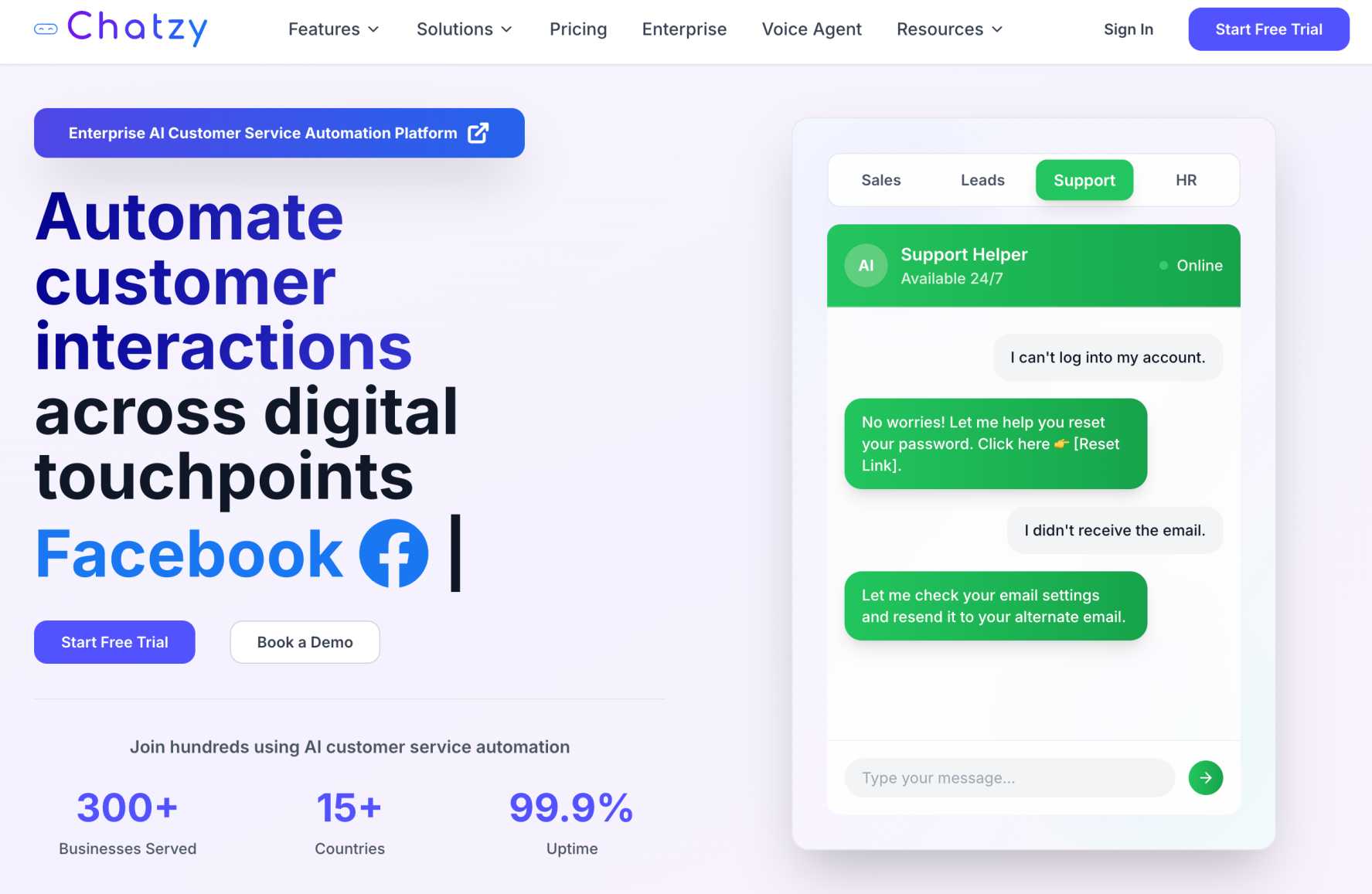
Chatzy AI is an AI-powered chat widget designed to answer customer questions using your actual business content, not generic chatbot responses. You can train it using your website pages, documents, or internal knowledge base, and then embed it directly on your site.
The setup process is straightforward and does not require coding. Once live, the chatbot focuses on answering questions accurately, and when it reaches something it’s not confident about, the conversation can be handed over to a human without breaking context.
Key Capabilities
- AI trained directly on your website and documents
- Simple no-code setup with quick website embedding
- Focus on accurate, content-based answers
- Human handoff when automation isn’t enough
- Designed to scale without heavy per-agent pricing complexity
Things to Consider
- Best value comes when you actively train it with good content
- More focused on accuracy and support than aggressive sales automation
Best For
- SaaS products and startups
- Businesses that want AI answers grounded in real content
- Teams looking for a clean balance between automation and human support
2. Tidio – Best Chatbase Alternative for Small Businesses
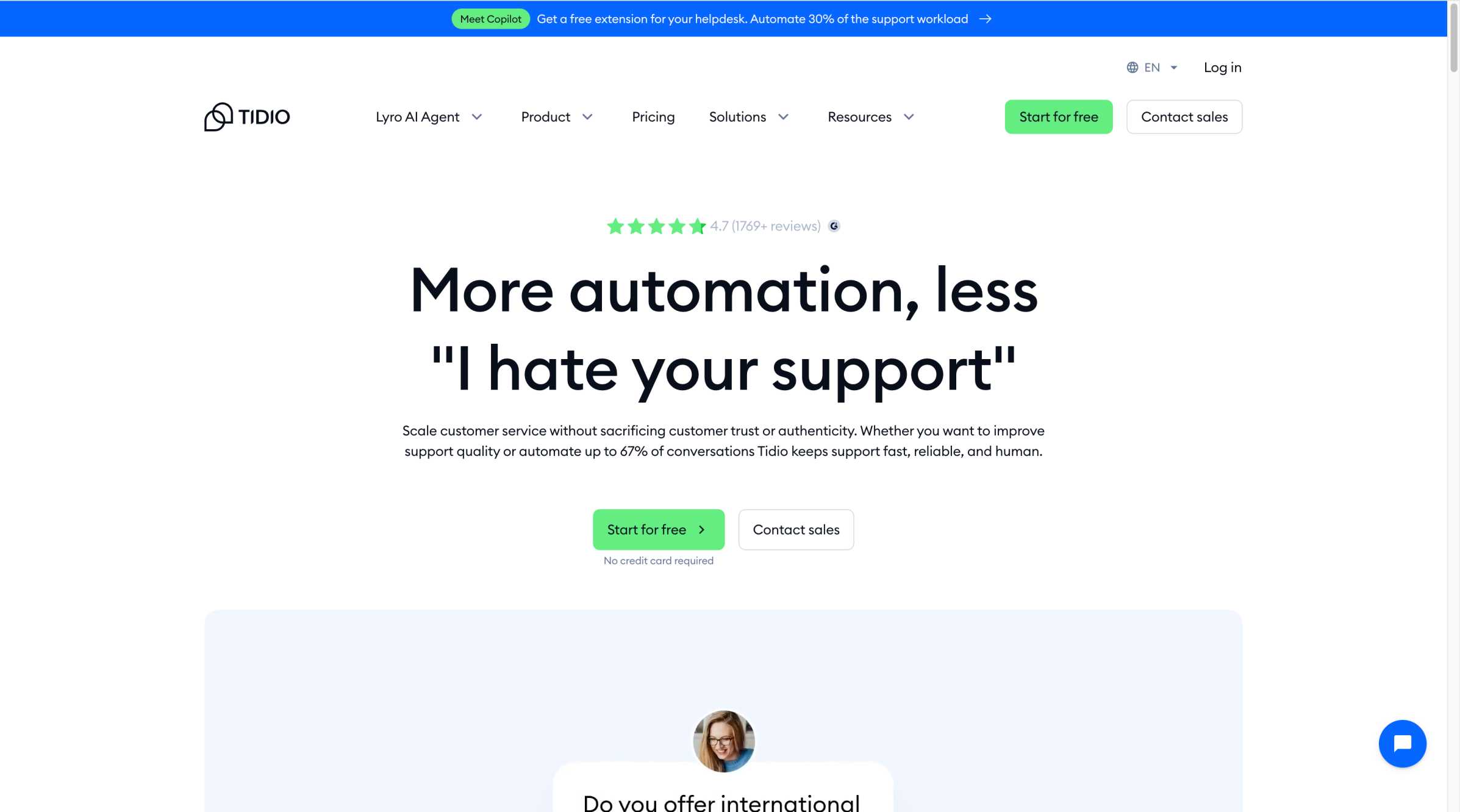
Tidio combines live chat with basic chatbot automation and is popular among small businesses that want something easy to start with. Its interface is clean, and non-technical teams can get a chat widget running quickly.
While Tidio does include automation, its AI capabilities are relatively limited compared to more content-trained solutions. As usage grows, pricing can become less predictable due to separate limits on chats and automation.
Key Capabilities
- Drag-and-drop chatbot builder
- Live chat combined with basic automation
- Strong e-commerce integrations (Shopify, WooCommerce)
- Multi-channel inbox
Limitations
- AI automation is fairly basic
- Useful features are locked behind higher plans
- Costs increase as conversation volume grows
Best For
- Small businesses and online stores
- Teams looking for a simple starter solution
3. Intercom – Best Enterprise-Level Alternative to Chatbase
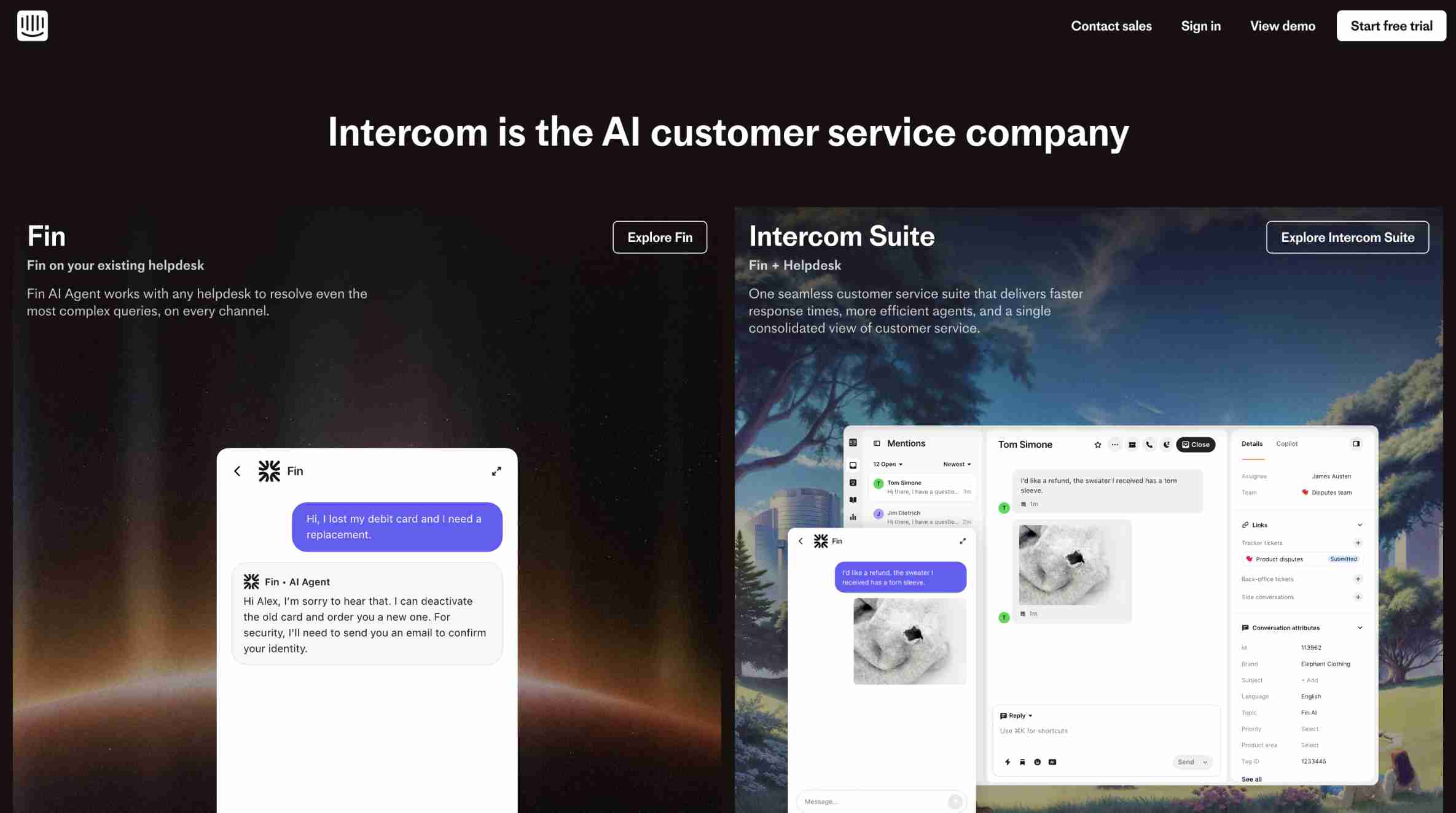
Intercom is a full customer communication platform rather than just a chat widget. It combines live chat, email campaigns, support tickets, and CRM-style customer data in one system.
It’s powerful, but also complex. Pricing is per seat, which can add up quickly, and setup often takes longer than expected if you only need a chat widget.
Key Capabilities
- Unified inbox across chat, email, and in-app messages
- Built-in ticketing and support workflows
- Deep CRM and marketing integrations
- Customer segmentation and targeting
Limitations
- Per-user pricing scales quickly
- More features than many teams actually need
- Not ideal if you only want a simple AI chat widget
Best For
- Mid-to-large businesses
- Teams needing sales, marketing, and support in one platform
4. Freshchat – Best for Multi-Channel Customer Support
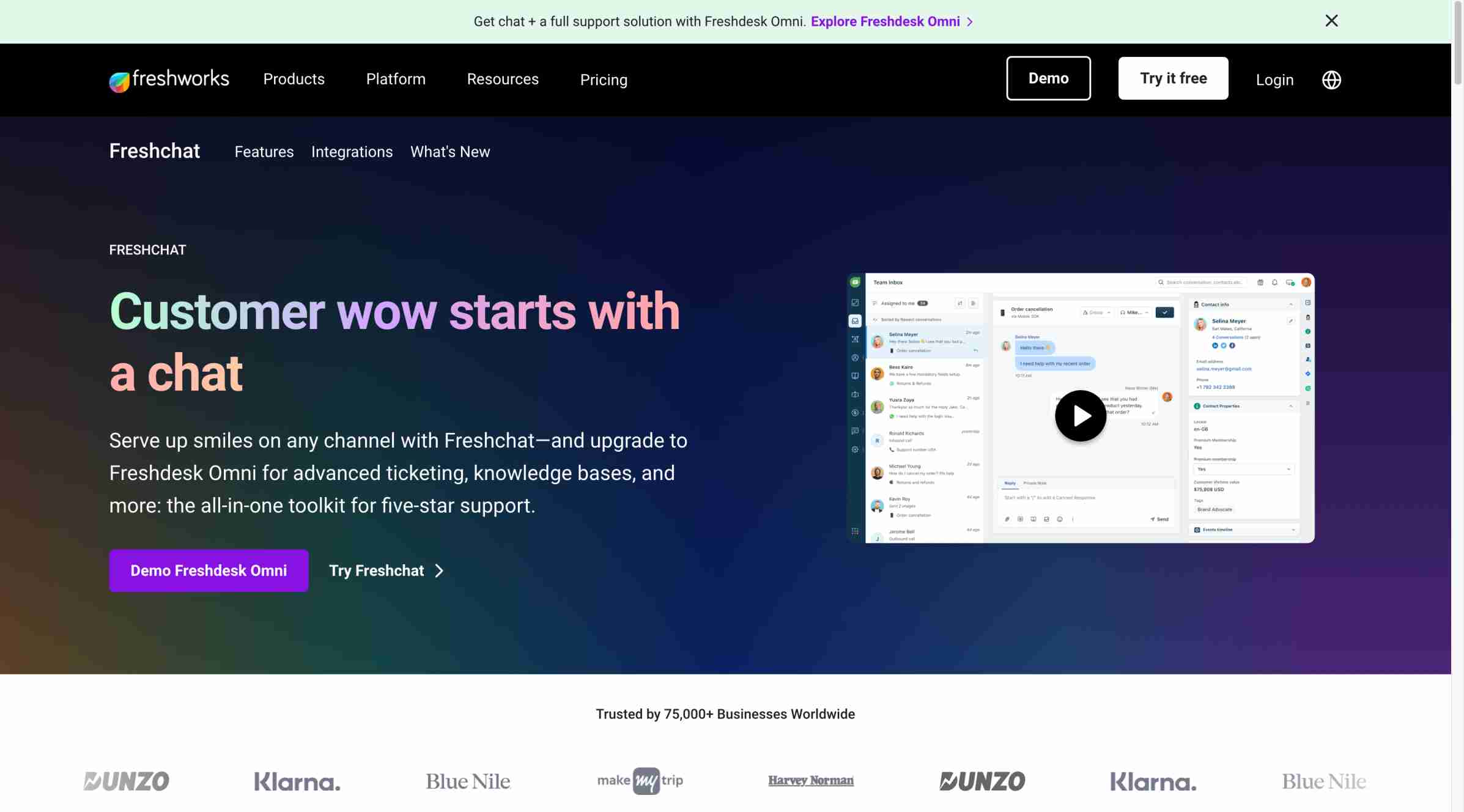
Freshchat is part of the Freshworks ecosystem and focuses heavily on customer support across multiple channels, including website chat, mobile apps, email, and social platforms.
It’s capable, but configuration can feel heavy for teams that just want quick live chat. Many automation features are reserved for higher-tier plans.
Key Capabilities
- Omnichannel customer support
- Smart chat routing and assignments
- Campaign messaging for proactive engagement
- Mobile apps for support agents
Limitations
- Setup takes longer than simpler tools
- Automation features require paid plans
- More support-focused than AI-first
Best For
- Support teams handling conversations across many channels
- Businesses already using Freshworks tools
5. Drift – Best for Sales-Focused Teams
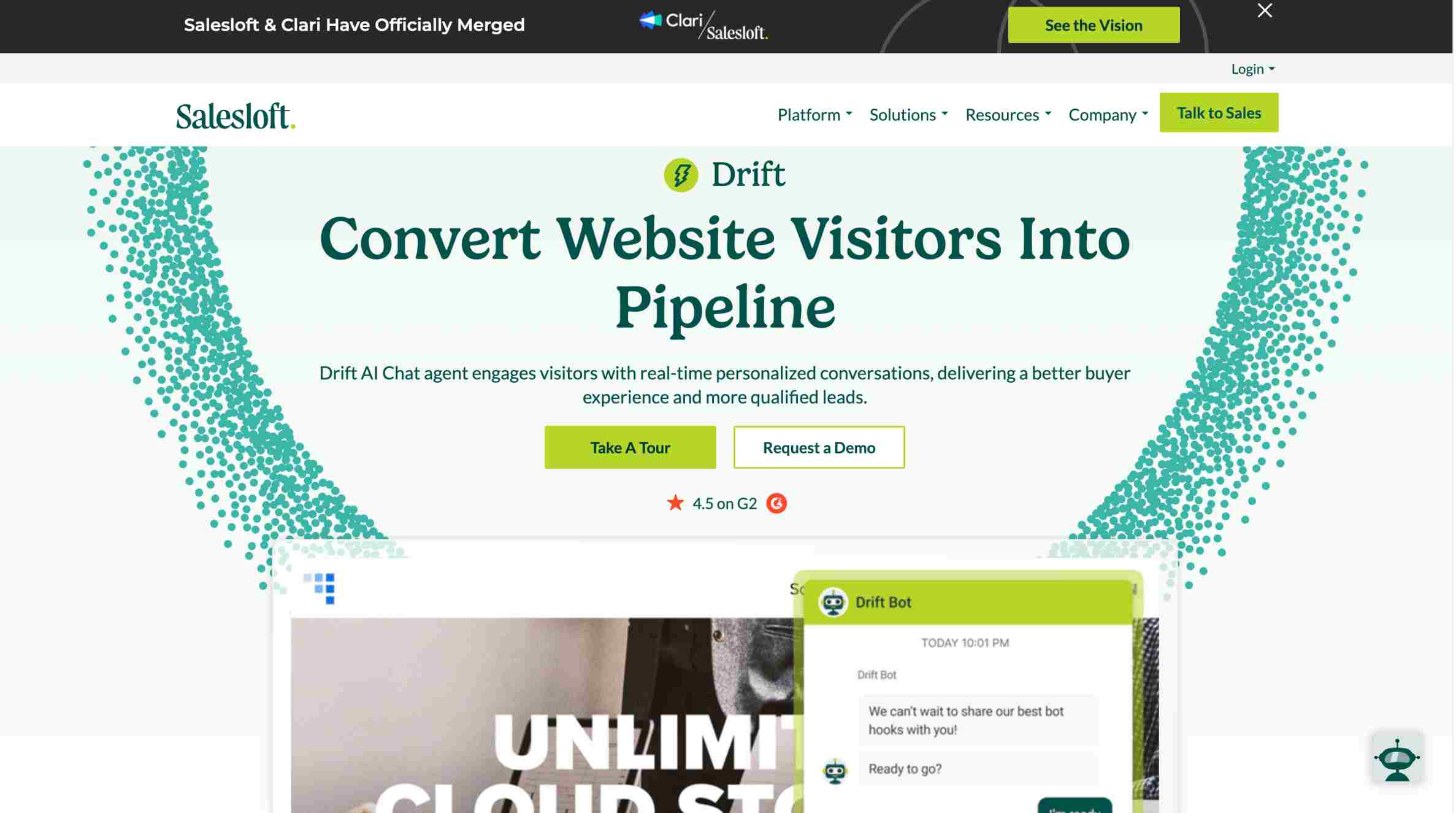
Drift is built specifically for sales and lead generation rather than customer support. Its chatbots are designed to qualify leads, book meetings, and route high-intent visitors to sales reps quickly.
It’s powerful in that role, but pricing is high and setup requires time. For businesses that just need customer support or basic AI chat, Drift is often more than necessary.
Key Capabilities
- AI-based lead qualification
- Meeting booking directly from chat
- Revenue and pipeline tracking
- Personalized messaging based on visitor behavior
Limitations
- Enterprise-level pricing
- Not designed for general support use cases
- Requires ongoing setup and optimization
Best For
- B2B companies with dedicated sales teams
- Businesses focused on pipeline and deal velocity
If you’d like to try an AI chat widget before committing, Chatzy AI offers 14 days of free access. You can deploy it on your website, train it on your own content, and see how it performs with real visitors during the trial period. This hands-on approach makes it easier to evaluate whether it’s the right fit for your support and engagement needs.